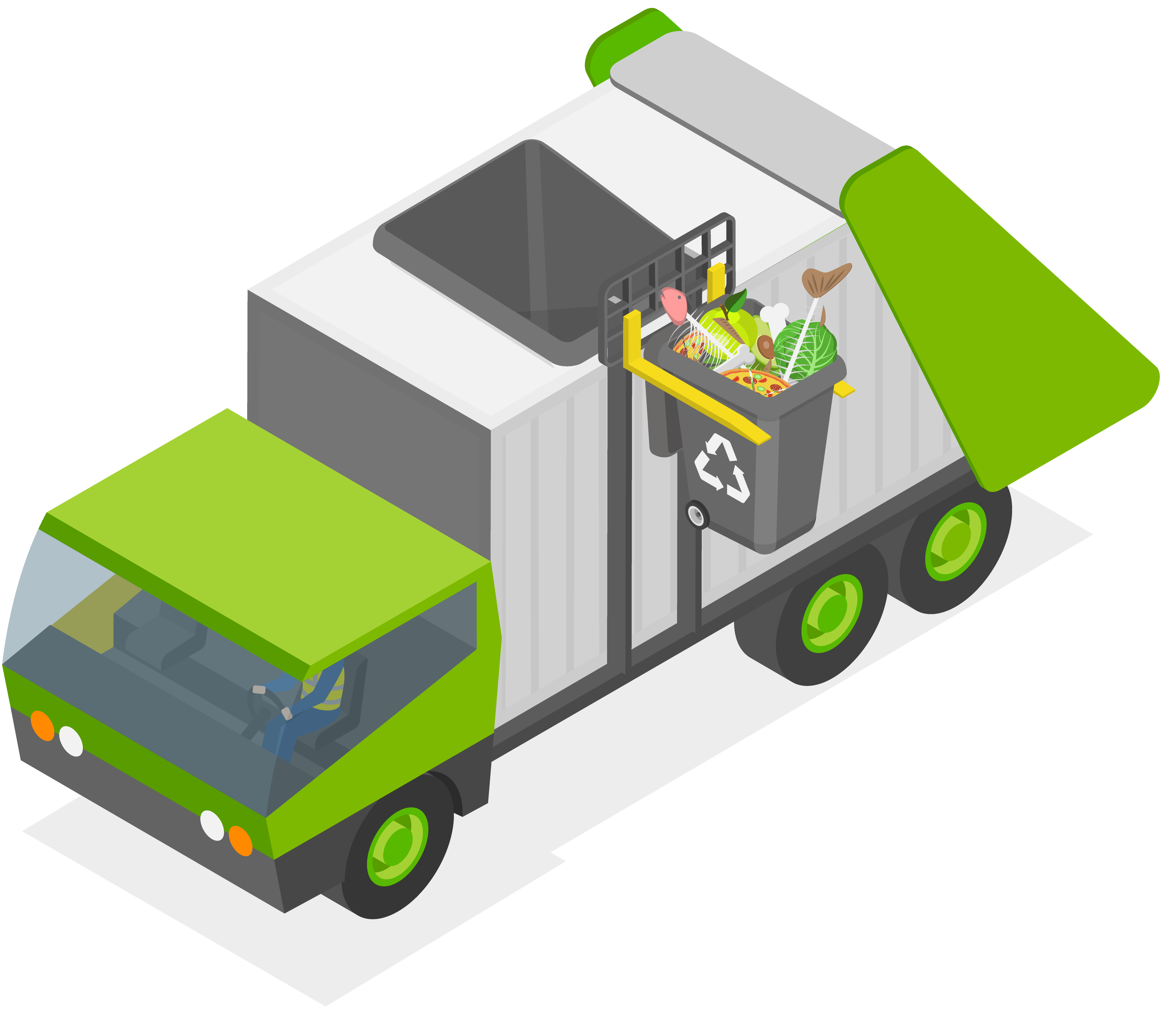
While manure provides the consistent volume for a digester, food waste provides the energy punch.
It is highly biodegradable and nutrient-dense, acting as a powerful accelerator for biogas production.
Adding even a small proportion of food waste to a manure-based digester can significantly boost
methane yields. This makes it a highly sought-after feedstock for improving the economics of biogas facilities.
The dataset aggregates data from two primary streams:

Post-consumer food scraps collected by municipalities.

Pre-consumer waste from grocery stores, food processors, restaurants, and hospitals.

Collected population and employment numbers from the 2021 Census for all 575 CSDs in Ontario.
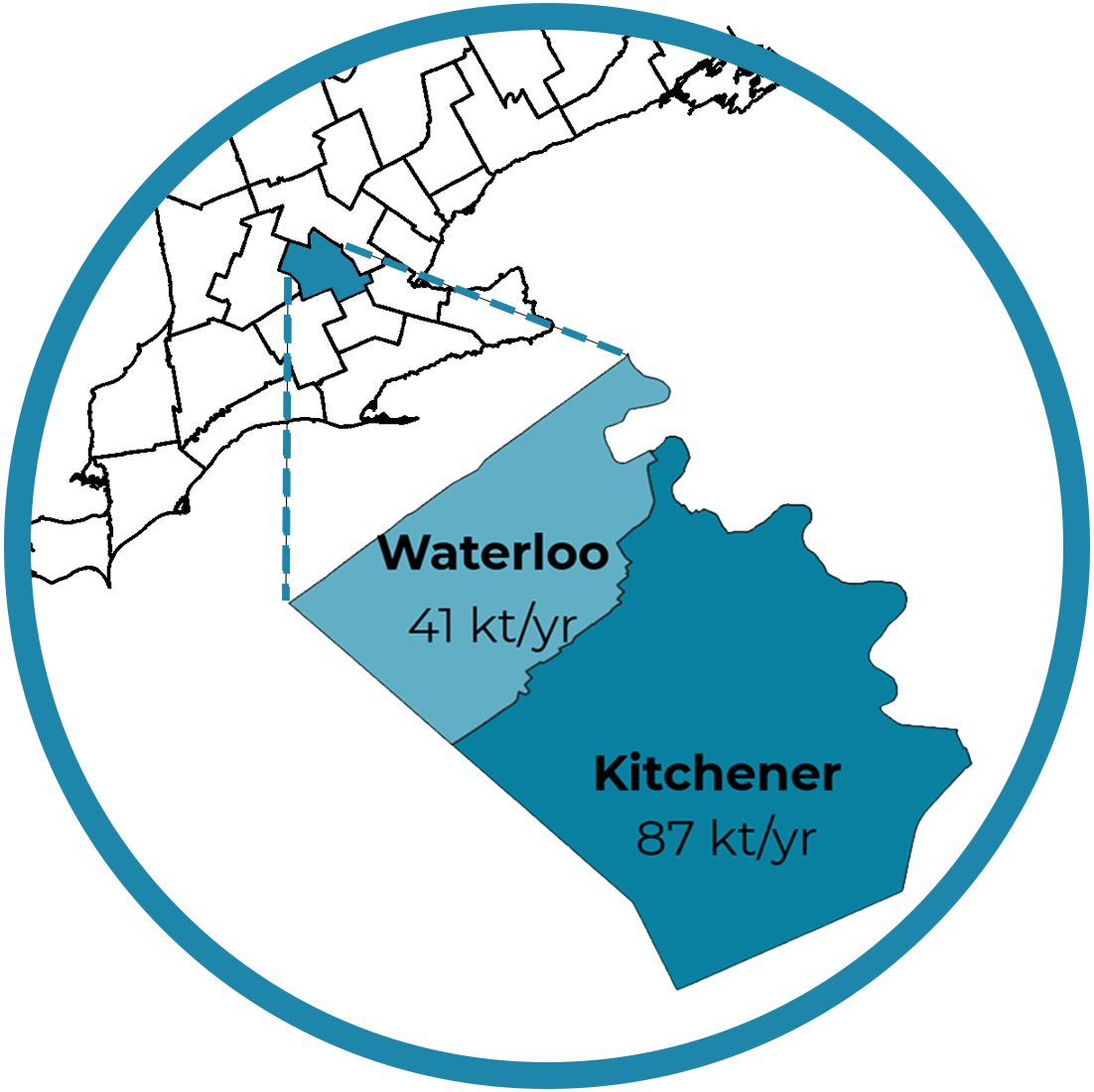
Estimated food waste using population and employment-specific generation factors.
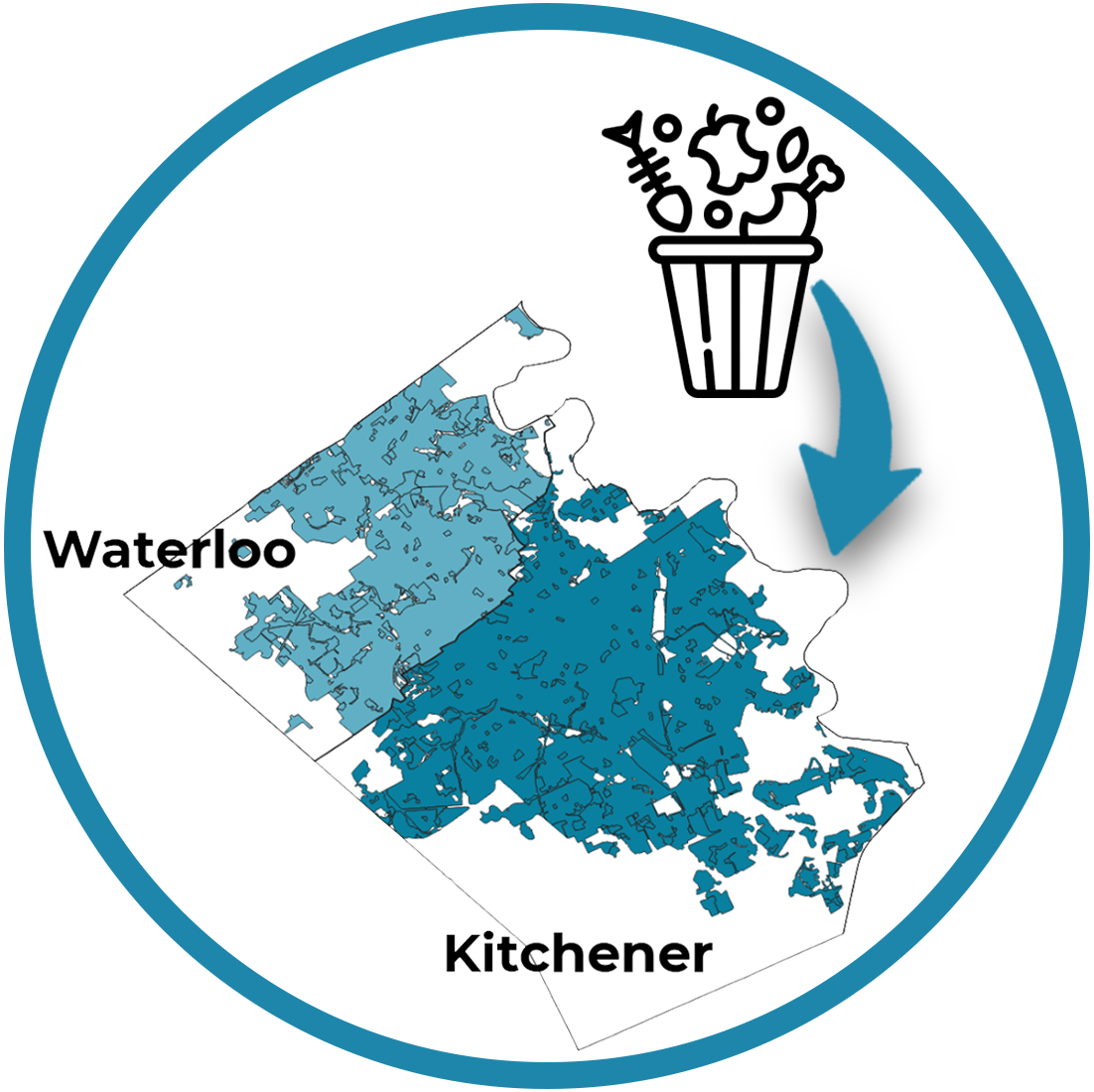
Allocated totals to populated areas within each CSD based on the size of their built-up area.

Mapped food waste and associated nitrogen and phosphorus to a 30 m grid across Ontario.